Welcome to visit the website of HJ Polymer China Co., Ltd. ---Semi-conductive Compound Industry Solutions


 中文简体
 Français
 عربى


Welcome to visit the website of HJ Polymer China Co., Ltd. ---Semi-conductive Compound Industry Solutions

Content
A cone tube and a parallel tube can look like simple yarn carriers, but their shapes change how yarn is wound, stored, unwound, and fed into the next process. Choosing the wrong one can lead to tension spikes, package instability, or machine fit problems. At HJ Polymer, we work with textile tubes and performance polymer materials every day, so this guide focuses on practical differences rather than catalog claims.
Both tubes are used across spinning, winding, twisting, dyeing, and related yarn-handling operations. The right choice depends less on which tube looks stronger on paper and more on how your machine, yarn, and package will work together.
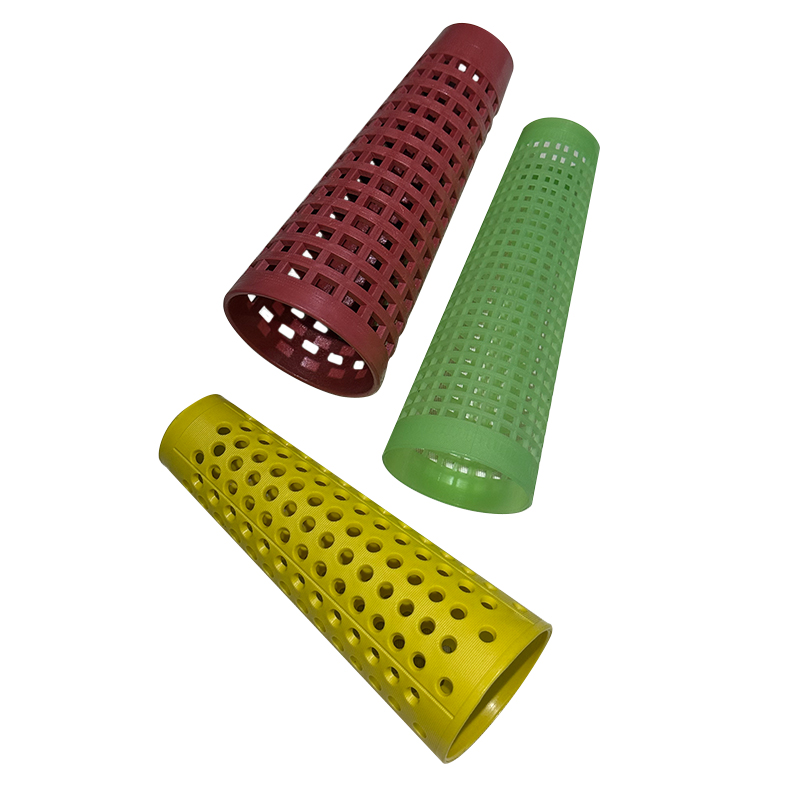
A cone tube, also called a conical tube, has a tapered body: one end has a larger diameter than the other. The taper may be slight or pronounced depending on the machine and package design. Yarn is wound onto this tapered surface to form a cone-shaped package. The taper helps the yarn release smoothly during unwinding and supports stable package build.
Cone tubes are common where yarn will be unwound at speed, where larger package weights are needed, or where the next machine prefers a cone-shaped supply package. They require a matched spindle or holder, and the taper angle must suit the winding equipment. If the angle is wrong, the package may sit poorly, vibrate, or unwind unevenly.
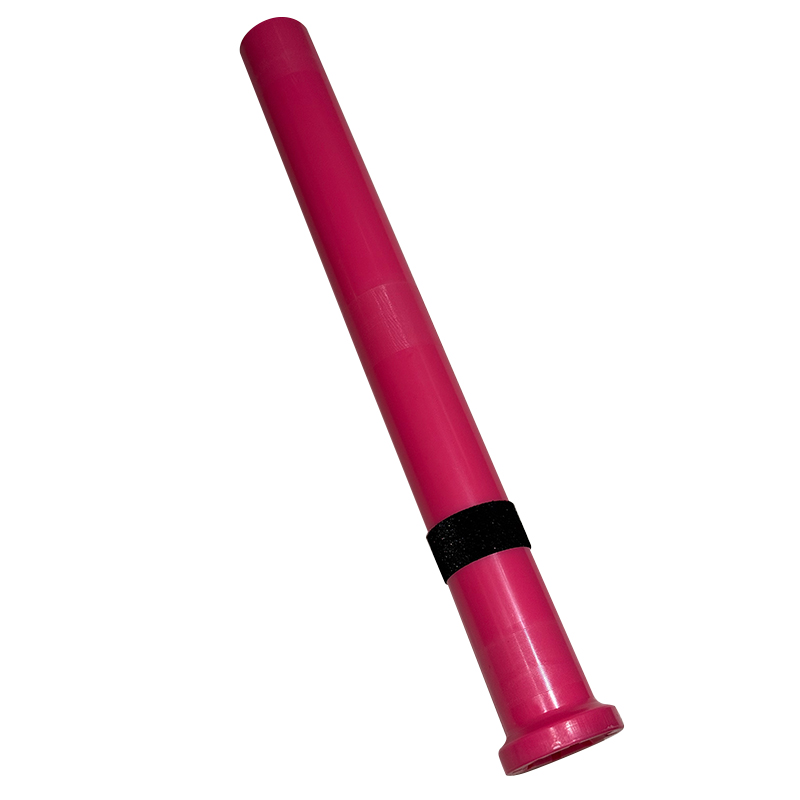
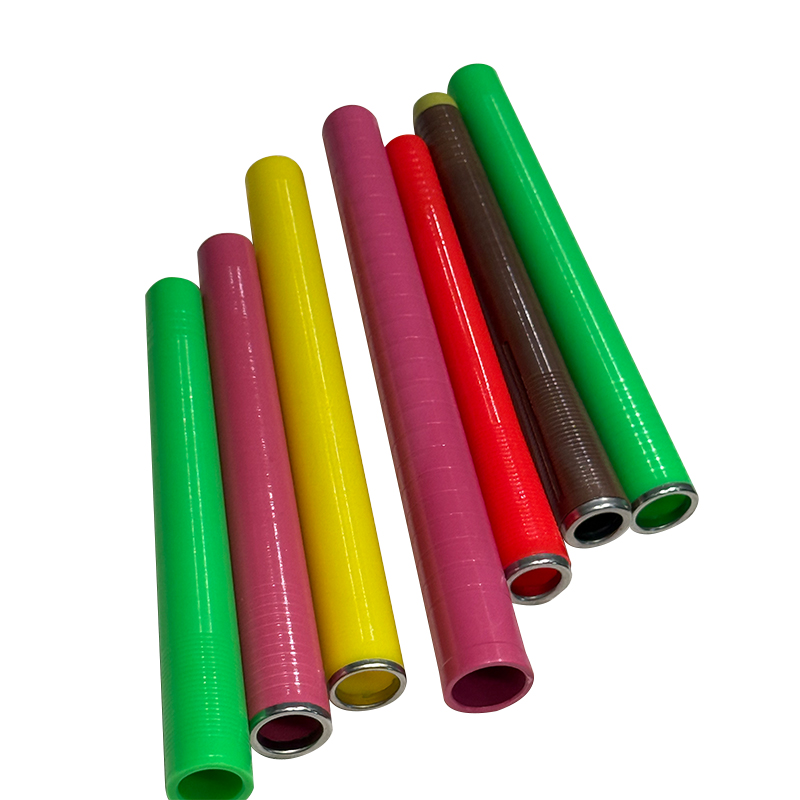
A parallel tube has a straight, constant-diameter body. It produces a cylindrical package, often called a parallel package, with layers built around a uniform diameter. This shape gives predictable package dimensions, efficient storage, and stable stacking. Parallel tubes are widely used where the package must stay cylindrical through spinning, drawing, twisting, winding, or dyeing.
Because the diameter does not change along the tube, the package can be easier to locate and handle in automated creels. The trade-off is that unwinding behavior differs from a cone package, especially at high speed. Tension control and yarn path design matter more when the package is straight-sided.
| Feature | Cone tube | Parallel tube |
|---|---|---|
| Body shape | Tapered, larger at one end | Straight, constant diameter |
| Package form | Cone-shaped package | Cylindrical package |
| Unwinding | Often smoother at high speed; taper assists yarn release | Uniform diameter; requires well-controlled yarn path |
| Machine fit | Needs matched taper and spindle | Needs matched diameter and holder |
| Storage and handling | Good package stability; shape uses space differently | Efficient stacking and space use |
| Typical focus | Winding, twisting, high-speed unwinding, larger packages | Spinning, drawing, doubling, dyeing, stable cylindrical packages |
This table is a starting point, not a universal rule. Two tubes with the same overall length can perform very differently if wall thickness, surface finish, or dimensional tolerance changes.
Cone tubes are often selected for winding and twisting operations where the yarn leaves the package at speed. The tapered package can help reduce tension variation and sloughing when the yarn is pulled over the end or through a guide. They are also useful when a larger package reduces changeover frequency. In short, choose a cone tube when the downstream process is built around a conical supply package and the machine has the correct holder.
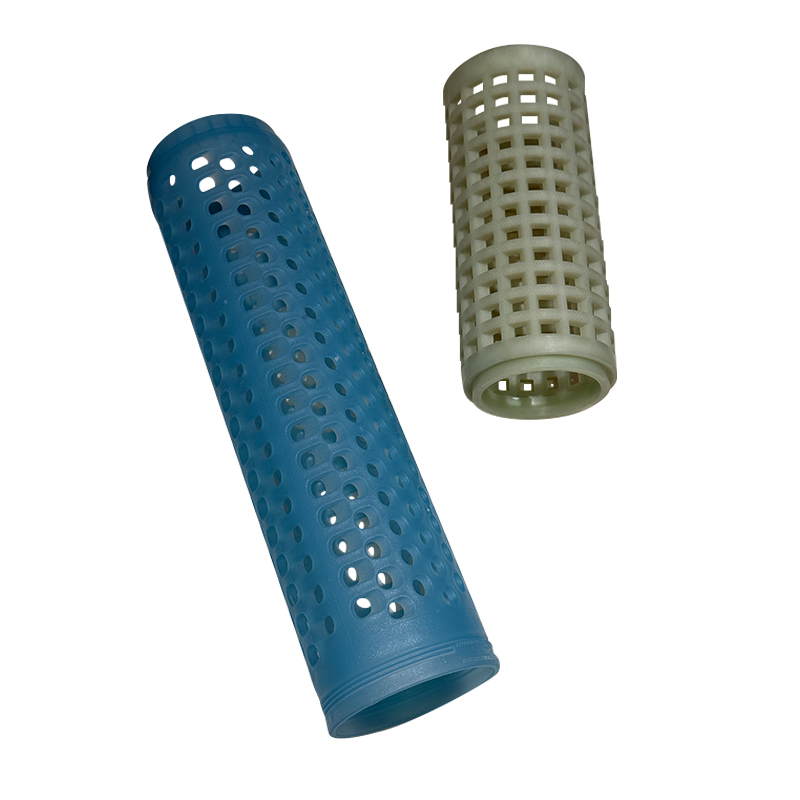
Parallel tubes suit processes that need a straight-sided package: spinning, roving, drawing, doubling, and many dyeing or finishing operations. A cylindrical package can be easier to stack, identify, and transport, and it fits creels and holders designed for constant diameter. For package dyeing, a parallel tube may also provide a regular flow path when perforations and core design are matched to the dyeing system. For a broader view of our textile tube range, see the textile tubes category.
The best choice starts with the machine, not the catalog page. Use these checks to narrow the decision.
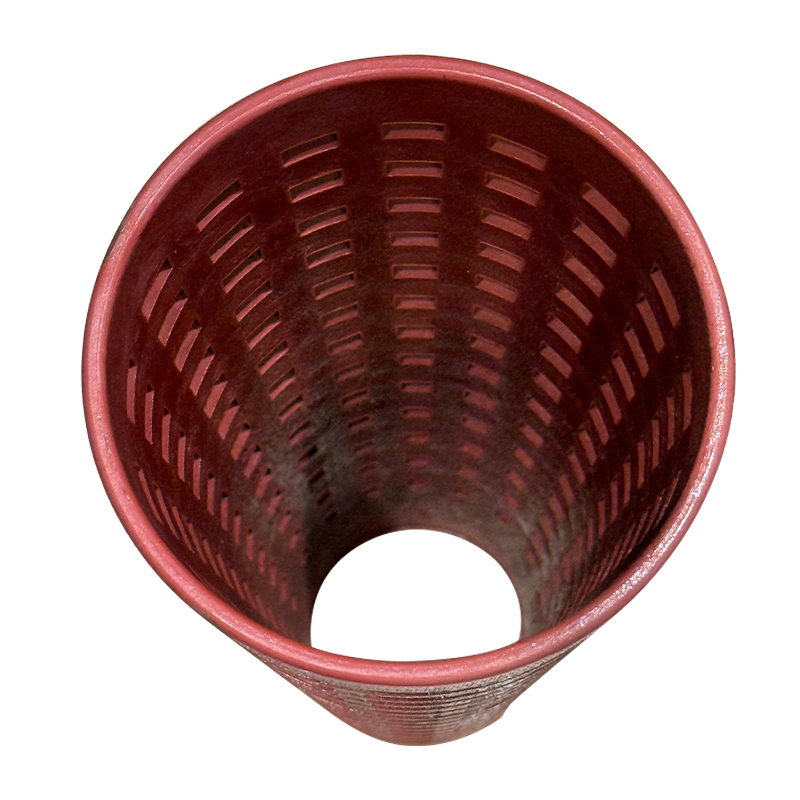 Cone and Parallel Textile Yarn TubesCompare conical and cylindrical yarn tubes, with industry-standard dimensions and smooth, burr-free surfaces, before checking machine fit and measurements.View Product →
Measure the spindle, chuck, or holder. Record the required inner diameter, overall length, taper angle for cone tubes, and wall thickness. A tube that fits loosely can vibrate; one that fits too tightly can be difficult to remove and may damage the tube or machine.
Consider yarn count, tension, winding speed, package weight, and the next process. Fine yarns and high speeds usually demand tighter dimensional tolerance and a clean surface. Heavy packages need enough wall strength and a stable base. If the package will be unwound over the end, cone geometry may be the better starting point; if it will be held on a creel or processed as a cylinder, parallel geometry may be more suitable.
For package dyeing, ask about perforation pattern, flow resistance, heat resistance, and chemical compatibility. The tube must allow uniform liquor flow without collapsing. A cone or parallel shape can both work, but the package density and tube design must match the dyeing machine.
Look for consistent inner diameter, concentricity, smooth ends, and a surface finish that will not snag yarn. Confirm the tube material is compatible with your yarn, lubricants, dyes, and operating temperature. Small differences in tolerance can become visible as vibration, broken filaments, or poor package build.
Before a full changeover, test a sample lot. Check package density, unwinding tension, ends down, tube fit, and removal force. Compare the results with your current tube. A short trial is usually faster and more reliable than guessing from a drawing.
Usually not. The holder, yarn path, and package shape are designed as a system. An adapter may be possible in some setups, but it must be checked for fit, vibration, and safe unwinding.
Cone tubes are often preferred when the process benefits from a tapered package and smooth yarn release. However, yarn type, guide design, and tension control still decide the result. A poorly matched cone tube can perform worse than a well-matched parallel tube.
Use the angle specified by your winding machine or package design. If you are changing suppliers, compare the actual angle and fit, not only the nominal description. A trial package is the best check.
Cone tubes and parallel tubes each solve different package-handling problems. Focus on machine fit, yarn behavior, package weight, and the next process; then confirm the choice with a trial. If you are unsure which tube geometry suits your line, our team can review your dimensions and application and help you shortlist a practical option.