Welcome to visit the website of HJ Polymer China Co., Ltd. ---Semi-conductive Compound Industry Solutions


 中文简体
中文简体 Français
 عربى
عربى

Welcome to visit the website of HJ Polymer China Co., Ltd. ---Semi-conductive Compound Industry Solutions

Content
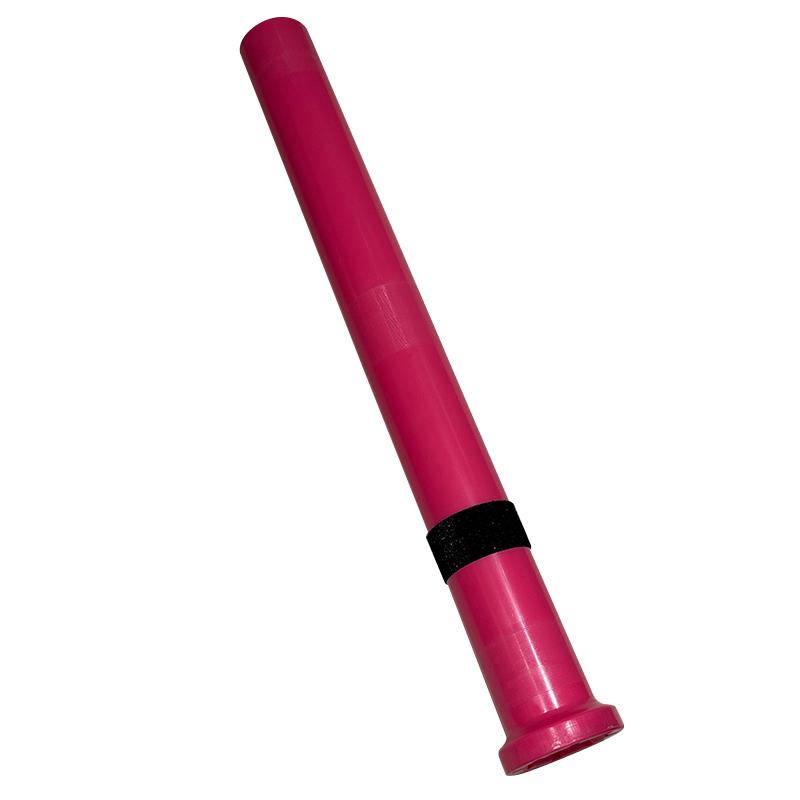
Roving bobbin tubes are the quiet workhorses of a spinning mill. They carry the wound roving from the roving frame to the ring spinning frame, sit in thousands of creel positions, and get handled, dropped and stacked more often than almost any other part in the yarn path. When they are right, nobody thinks about them. When they are wrong, you see cracked bases, wobbly packages, marked sliver and stops on frame after frame.
This guide covers the specifications that genuinely matter for roving bobbin tubes, the problems that come up most often on the mill floor, and how to tell whether the tube or something else is responsible.
On the roving frame, drafted sliver is wound onto a tube to form a roving package. That package then travels to the spinning frame, where the roving is unwound at speed and drafted again. The tube has three jobs at once: hold a package weighing several kilograms without deforming, fit the spindle or peg closely enough that the package runs true, and release the package at the doff without sticking or dragging.
Roving tubes are not the same as the tubes used further downstream. They are generally longer, slightly tapered to suit the winder, and stiff enough to take the compression of a firm, dense package without going oval. Because roving is a delicate, low-twist strand, any flash, roughness or sharp edge on the surface will mark it, and that mark usually reappears later as a thin place or an end break.
Every frame and winder combination has its own drawing, but the same dimensions and material choices come up again and again. The table below is a practical checklist for a roving bobbin tube specification sheet. Treat the values as starting points and confirm them against your machine builder's data and your own package build.
| Specification | What to confirm | Why it matters |
|---|---|---|
| Overall length | Matched to the winder lift and the creel peg height | Changes package build and doff height, and affects transport |
| Bore diameter and fit | Toleranced to the spindle or peg, checked at both ends | A loose fit causes run-out; a tight fit slows doffing and splits tubes |
| Taper | Matched to the winder's cone angle | Controls how cleanly the package releases and unwinds |
| Wall thickness | Heavy enough for the package weight, light enough to handle | Thin walls go oval or crush; over-thick walls add weight and cost |
| Material | PP, ABS or an impact-modified blend; antistatic grade where needed | Sets stiffness, drop resistance and static behaviour |
| Surface finish | Smooth bore, no flash, controlled roughness | Rough or flashed surfaces snag the sliver and damage the package |
| Base and seating detail | Grooves, ribs or a locating collar as required | Affects grip and how the tube seats in the creel and transport system |
| Heat and conditioning | Whether tubes are steamed, conditioned or stored warm | Low-heat materials distort and lose straightness |
One sheet, signed off by both sides, removes most arguments later. If a tube arrives and does not match the drawing, that is a supplier issue. If it matches the drawing and still fails, the drawing is the thing to revisit.
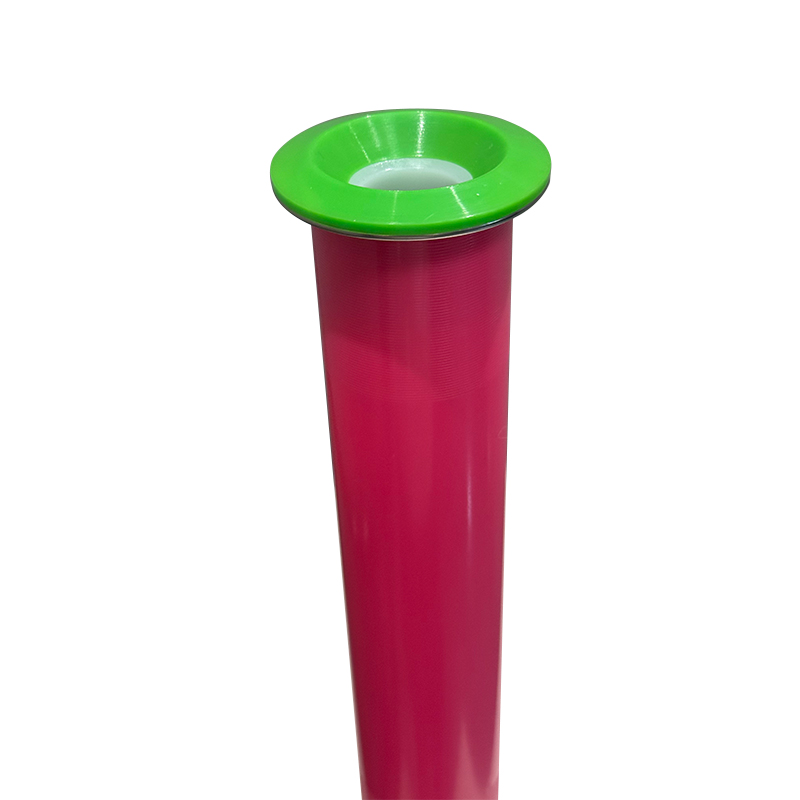 Bobbin Tube for Roving Textile Yarn WindingSpecialized tube for winding coarse yarn; review when recurring faults point to drawing, strength, surface quality, or dynamic balance in spinning.View Product →
The same handful of faults comes back in mill after mill. Here is how we normally work backwards from the symptom.
| Symptom | Check first | Usual cause |
|---|---|---|
| Cracks at the base or neck | Impact history, material grade, base geometry | Drops during doffing or transport, a brittle grade, or a weak weld line in the base |
| Package wobbles or runs out | Bore diameter, taper and spindle condition | Out-of-tolerance or oval bore, a worn spindle or peg, or dirt under the seat |
| Tube slips or lifts off the peg | Bore tolerance and seating detail | Bore too large, wrong taper for the frame, or a polished peg that no longer grips |
| Sliver damage and thin places | Surface finish, flash, split tubes in service | Moulding flash, handling scratches, or tubes that should already have been discarded |
| Static cling and flying fibres | Antistatic grade, ambient humidity | Standard grade used in a dry, high-speed area |
| Tubes go oval or bow | Wall thickness, storage method, conditioning heat | Thin walls, long horizontal stacking under load, or storage above the material's heat limit |
| Colour fades, surface chalks | Additive package, UV exposure | No UV stabiliser, with long exposure to sunlight or bright plant lighting |
Notice how many of these come back to the same three things: dimensional accuracy, material choice and handling. Before blaming the tube, check the spindle, the peg, and the way tubes are moved and stored. A straight, well-moulded tube in a badly maintained creel will fail just as fast as a poor tube in a good one.
Tube selection follows the package, not the other way round. A short, light roving package for a fine count is easy work for a standard wall tube. Heavy packages for coarse counts, or frames running at high flyer speeds, put far more load on the tube, and that is where wall thickness and material stiffness start to matter.
If the answer to the last question involves an automatic transport system, impact resistance and base geometry become as important as dimensions. Automated handling grips, pushes and drops tubes in ways a manual trolley never does, and it finds any weakness in the base very quickly.
A simple receiving check catches most bad batches before they reach the frame:
Do this on every delivery, not only the first one. Most tube complaints we are asked about trace back to a batch that nobody checked on arrival.
We have been moulding polymer products in Jiangyin since 2002, and over the years we added a textile tube line alongside our cable materials work. Roving bobbin tubes come off the same discipline as everything else we make: material checked before it goes into the tool, tolerances held run after run, and batches that can be traced back to a date and a machine.
Our tube range covers the main package types a spinning mill handles: bobbin tubes for roving, cone and parallel tubes, dyeing tubes, and spinning tubes for fine yarn. The full textile tube range is listed by package type, so you can compare styles side by side before you commit to a drawing.
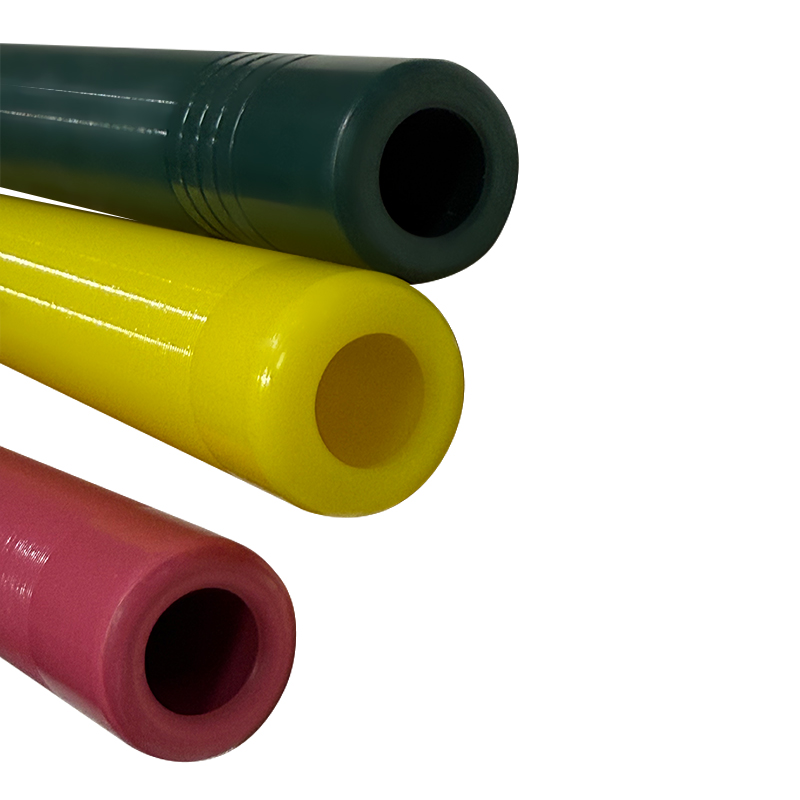 Spinning Tube for Fine Yarn WindingLightweight high-precision tube for fine yarn; compare it when selecting package types or checking compatibility with bobbins, spindles, and high-speed spinning.View Product →
If you are specifying a tube for a new frame, send us the drawing, the machine model and the package weight. We will give you a straight answer on whether our tube suits the job, and if it does not, we will say so.
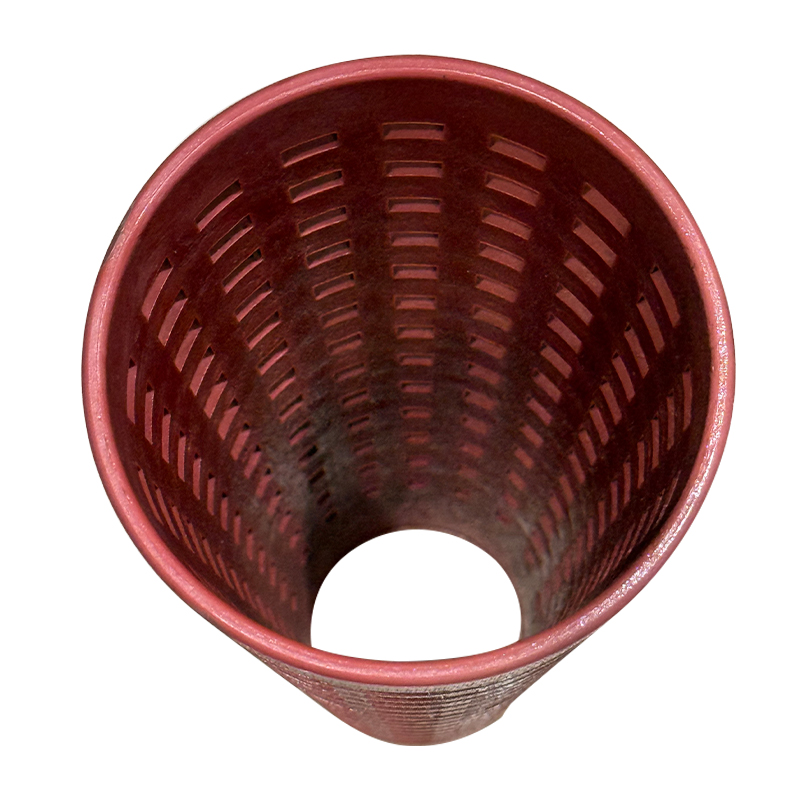 Cone and Parallel Tubes for Yarn HandlingConical and cylindrical textile tubes for winding and unwinding; compare them when matching package type, equipment stability, and yarn handling needs.View Product →
If you are already fighting a specific problem, cracked bases, packages that will not run true, or sliver damage that keeps coming back, describe the symptom and the machine it happens on. Nine times out of ten the answer sits in the tube drawing, the material grade, or the way tubes are handled between doff and re-use, and it is usually cheaper to fix than to keep living with it.
![HJ0901 Semi-conductive Conductor and Insulation Shielding Compound for HV Power Cables [Super Clean and Smooth]](/hjcheme/2026/02/04/5-zhjG.jpg "HJ0901 Semi-conductive Conductor and Insulation Shielding Compound for HV Power Cables [Super Clean and Smooth]")
![HJ0286 [Strippable] Thermoplastic Shielding Compound for Sioplas Method](/hjcheme/2026/01/30/1-16nu.jpg "HJ0286 [Strippable] Thermoplastic Shielding Compound for Sioplas Method")
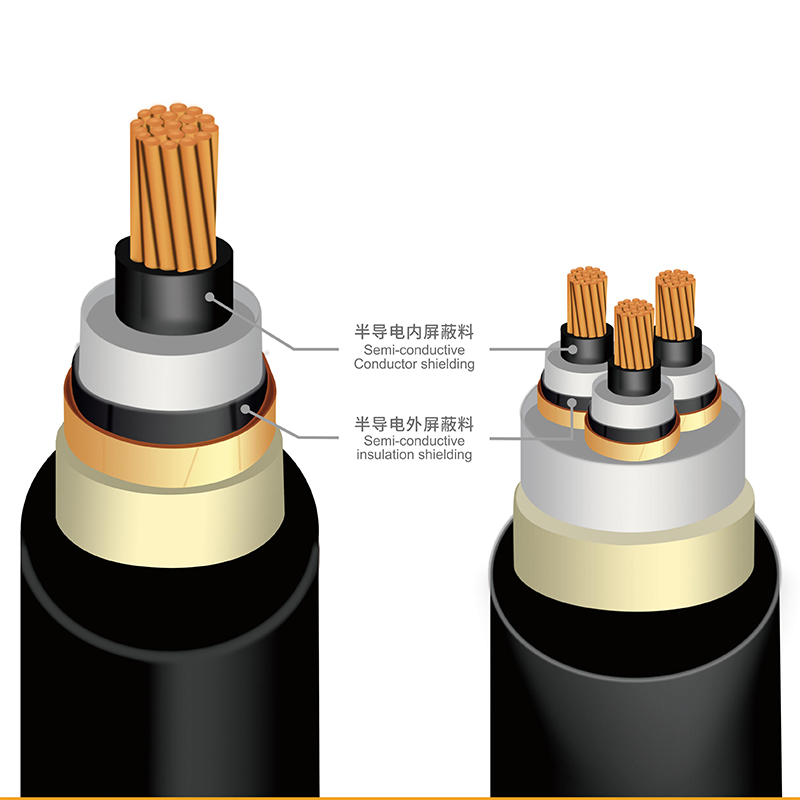
![HJ0302 Semi-conductive Insulation And Conductor Shielding Compound for MV Power Cables [Bonded Insulation Grade]](/hjcheme/2026/01/30/1-oGlm.jpg "HJ0302 Semi-conductive Insulation And Conductor Shielding Compound for MV Power Cables [Bonded Insulation Grade]")



